
Serbia
The Europe You Have Yet to Discover
Welcome to Serbia — a country whose identity has been shaped for centuries by different peoples, cultures and civilisations.
At the crossroads of East and West, between great rivers, plains and mountains, Serbia preserves traces of prehistoric cultures, the Roman Empire, the medieval Serbian state and centuries of profound historical change. Yet Serbia is not only a story of the past. It is a country of vibrant cities, unspoilt nature, a strong cultural and culinary tradition, distinctive regional customs and people for whom hospitality still means an open door and a place at the table. From the Central European spirit of Vojvodina to the music, flavours and traditions of southern Serbia, each region gives the journey a completely different rhythm.
It is precisely this blend of old Europe and contemporary life that makes Serbia a far richer experience than many expect.
What Makes Serbia Special?
Serbia has been shaped not only by geography, but also by its position between different worlds. For centuries, routes, peoples, cultures and great empires met here. Across a relatively small area, plains, major European rivers, mountains, gorges, forests and spa towns succeed one another. Culture, music, cuisine, customs and hospitality define the country just as strongly — from the farmsteads and wineries of the north to southern Serbia.
How Serbia Came to Be
Thousands of years of history have left layers that continue to shape Serbia today.
Before Serbia Existed
Lepenski Vir and the Vinča culture bear witness to advanced communities in the territory of present-day Serbia.
 ANTIQUITY
Naissus and the Roman Legacy
Niš, ancient Naissus and the birthplace of Emperor Constantine the Great, forms part of Serbia’s rich Roman heritage. Singidunum, Sirmium, Viminacium and Felix Romuliana further testify to the importance of this region within the Roman Empire.
 12th century
The Rise of the Medieval Serbian State
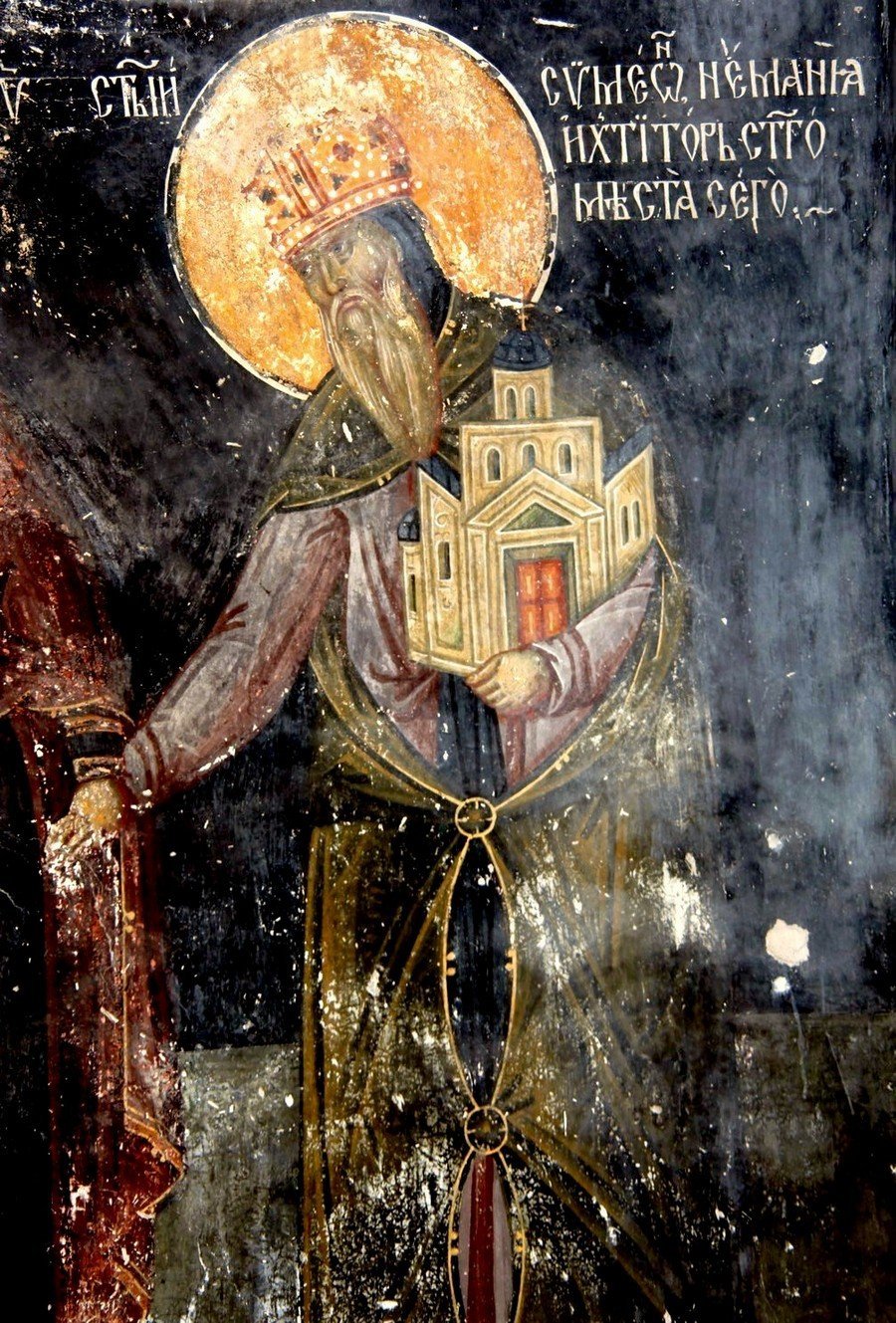
Stefan Nemanja laid the foundations of the Nemanjić dynasty and a state that would reach its medieval zenith in the centuries that followed.
 13th century
Saint Sava — Faith, Culture and Education
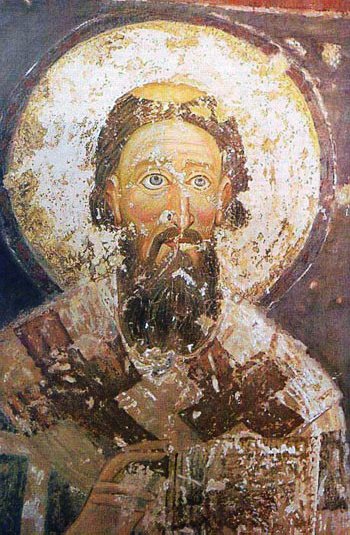
The first Serbian archbishop left a profound mark on the spiritual, cultural and educational development of medieval Serbia.
 1389.
1389.Kosovo and Prince Lazar
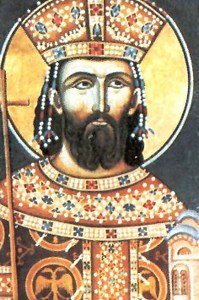
The Battle of Kosovo in 1389 became a historic turning point, while Prince Lazar remained one of the central figures of Serbian history and cultural memory.
Between Great Empires
The Ottoman Empire, the Kingdom of Hungary and the Habsburg Monarchy left distinct marks on the north and south of the country.
The Restoration of Statehood
The Serbian uprisings paved the way for modern statehood, while reformers such as Vuk Karadžić transformed the language and culture.
The Balkan Wars and the Great War
Albania, Corfu, the Salonika Front, the Iron Regiment and the breakthrough of 1918 marked one of the most difficult eras in Serbian history.
A New State and the Second World War
The era of the common South Slavic state and the Second World War brought profound social change, destruction and suffering.
History Shaped Serbia. Now It Is Time to Experience It.
From great cities and the Danube to mountains, southern Serbia, traditional villages, spa towns and unforgettable flavours.
The City on Two Rivers
Kalemegdan, the Sava and Danube, Zemun, Skadarlija, culture and a vibrant contemporary rhythm.
Novi Sad and Northern Serbia
Petrovaradin Fortress, the Danube, open plains, traditional farmsteads, wineries and Central European heritage.
Tradition, Customs and Hospitality
Niš, Leskovac, Vranje and the regions of the south preserve a strong local identity, music, customs and cuisine.
Mountains, Villages and Grand Viewpoints
Tara, Zlatibor, Zlatar, Uvac and traditional villages bring together nature, homemade food and the local way of life.
The Danube, Đerdap and Traces of the Centuries
The Đerdap Gorge, Roman heritage, archaeological sites and mountains.
A Land of Rivers, Mountains and Canyons
From the Danube and the Đerdap Gorge to Tara, Kopaonik, Uvac and hidden mountain landscapes, Serbia offers remarkably diverse nature within a relatively small area.
Serbia in the Great Outdoors
Hiking, rafting, kayaking, cycling, skiing, caves and panoramic viewpoints.
Water, Mountains and Relaxation
Mineral and thermal springs, alongside modern spa and wellness centres.
Flavours of Serbia
Cheeses, kajmak, savoury pies, grilled meats, roasts, wines and rakija are all part of Serbia’s culture of gathering around the table.
Festivals, Music and Traditions
Traditional music, local events and a vibrant contemporary cultural scene.
Cities That Stay Awake
Kafanas, concerts, clubs and nightlife give the journey a different rhythm.
A Nation of Sport
Basketball, tennis, water polo, volleyball, football and numerous international achievements.
From Serbia into World History
Science, language and ideas that reached far beyond the country’s borders.
Nikola Tesla
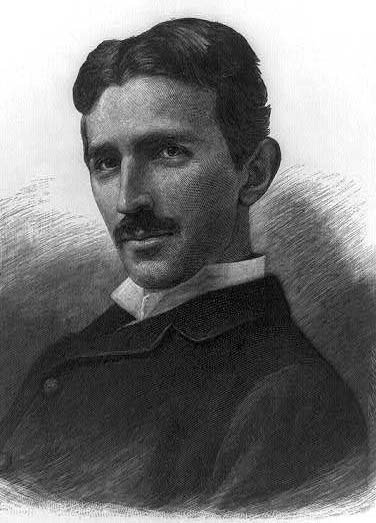
Tesla’s polyphase alternating-current system laid the foundations for the modern generation, transmission and use of electrical energy — the system that still powers our electrified world.
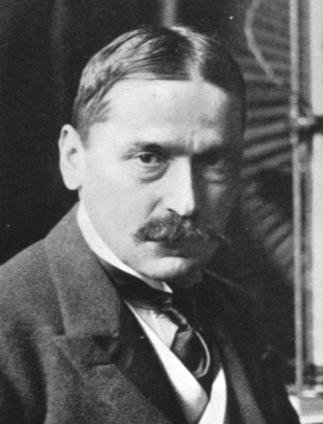
Mihajlo Pupin
A physicist, inventor and professor whose contributions to telecommunications played an important role in the development of modern technology.
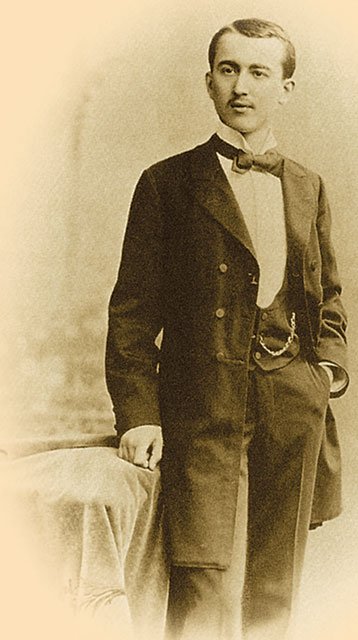
Milutin Milanković
A mathematician, astronomer and geophysicist known for his theory of long-term climate change linked to the Earth’s movements.
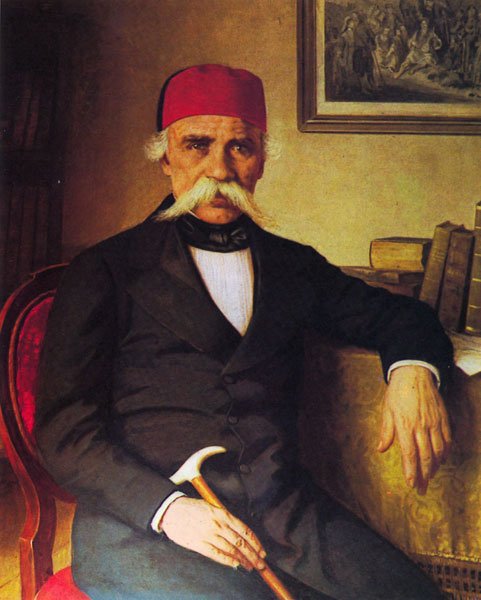
Vuk Karadžić
A reformer of the Serbian language and orthography, and one of the key figures in 19th-century Serbian cultural history.
The Serbia You May Not Know
Roman Emperors
Sixteen Roman emperors were born in the territory of present-day Serbia — more than in any modern country except Italy.
Tesla’s Archive in Belgrade
The Nikola Tesla Archive is part of UNESCO’s Memory of the World Programme.
Miroslav’s Gospel
One of the most significant surviving Serbian Cyrillic manuscripts.
Slava, Kolo, Gusle and Šljivovica
Customs, music, dance and traditional knowledge form part of internationally recognised heritage.
Tesla, Pupin and Milanković
Great scientists connected with Serbia left a legacy far beyond the country’s borders.
A River Connecting the Ages
From Lepenski Vir and the Roman frontier to Đerdap and Belgrade.
Serbia Is Not Discovered Through Places Alone.
It is discovered through people, flavours, conversations, music, customs, cities and landscapes that change after only a few hours on the road.
It Is Time to Discover Serbia.