
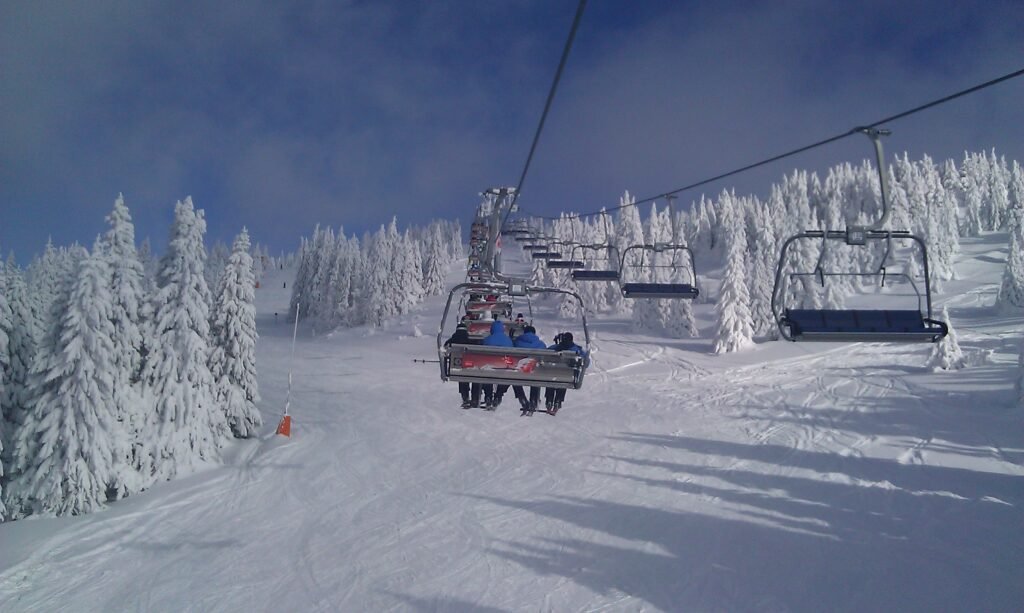
Kopaonik — Serbia’s Mountain for All Seasons
For many people, Kopaonik is synonymous with snow and skiing. But Serbia’s largest mountain massif offers much more — a national park, Pančić Peak, dense forests, waterfalls and springs, mountain trails, rich history, local cuisine and experiences that keep the mountain alive throughout the year.
In winter, Kopaonik is Serbia’s best-known ski resort. When the snow melts, white pistes turn into green slopes and the mountain reveals a completely different character. Kopaonik is therefore much more than a winter destination — it is one of the best places to discover Serbia’s natural side.
Kopaonik in Numbers
The highest mountain in central Serbia and the country’s largest ski resort — a few figures that capture Kopaonik at a glance.
Kopaonik Ski Map
See the layout of pistes, chairlifts and ski lifts and plan your day at Serbia’s largest ski resort.
The official Ski Resorts of Serbia map provides current information on Kopaonik’s pistes and lift system.
Open the official ski map →When the Snow Melts
When the white ski pistes turn into green slopes, Kopaonik reveals a completely different side. Hiking, cycling, viewpoints, forests and protected nature make the mountain an active holiday destination throughout spring, summer and autumn.
Hiking
Walking trails lead through forests and mountain landscapes to viewpoints, nature reserves and some of Kopaonik’s most beautiful places.
Cycling
Mountain roads and marked routes offer opportunities for recreational rides as well as more demanding MTB adventures.
National Park
Protected forests, mountain meadows and rich plant and animal life make nature one of Kopaonik’s greatest treasures.
Viewpoints and Peaks
Pančić Peak, Nebeske stolice i brojni planinski vidikovci otkrivaju a Kopaonik far beyond its tourist centre.
Beyond the Ski Pistes
Beyond the tourist centre begins another Kopaonik — nature reserves, waterfalls, springs, mountain peaks and places reached on foot.
Jelovarnik Waterfall
Hidden in dense forest on Kopaonik’s southeastern slopes, Jelovarnik is an impressive cascading waterfall and one of the most beautiful natural sites in the National Park.
Jelovarnik Nature ReserveMetođe
A nature reserve on the slopes of the Brzeće River is home to the Metođe shrine, mountain forests and the Gvozdac cold-water geyser.
1,190–1,840 mNebeske stolice
The mountain ridge south of Pančić Peak offers sweeping views, as well as archaeological remains from the Roman and early Christian periods.
Nature and history in one placePančić Peak
Kopaonik’s highest point is named after Josif Pančić, the great Serbian botanist and explorer of the mountain’s natural world.
Kopaonik’s highest peakSemeteš Lake
An unusual mountain lake known for its underwater springs and floating islands that move across its surface.
One of Kopaonik’s unusual natural attractionsSources: Kopaonik National Park and the National Tourism Organisation of Serbia
A Mountain with a Story Far Older than Skiing
Long before the first ski lifts and hotels, Kopaonik was known for its mineral wealth. Traces of mining, archaeological sites and the medieval heritage of the wider region reveal a very different history of the mountain.
Mountain of Miners
The name Kopaonik itself is associated with digging and mineral wealth. Iron, lead, zinc, silver and gold attracted people to this mountain centuries before it became a tourist destination.
Josif Pančić
The great Serbian naturalist studied Kopaonik’s plant life. The mountain’s highest peak now bears his name, and at the summit stands a mausoleum dedicated to Pančić.
Nebeske stolice
High on Kopaonik lies an archaeological site where traces of an ancient settlement and the remains of an early Christian basilica with a mosaic floor have been discovered.
Fortresses and Monasteries of Medieval Serbia
A trip to Kopaonik can be combined with exploring a much wider historic region. Nearby are fortresses such as Koznik, Maglič and Zvečan, as well as important medieval monasteries including Studenica, Gradac, Pavlica, Žiča and Sopoćani.
A few days on Kopaonik can therefore easily become the beginning of a much longer journey through Raška and medieval Serbia.
Source: National Tourism Organisation of Serbia
Discover Kopaonik at the Table
After a day on the ski slopes or mountain trails comes another part of the Kopaonik experience — local food. The cuisine of this region is built around simple, hearty mountain flavours and traditional Serbian recipes.
Mountain cheeses and kajmak, roast meats, hearty dishes and homemade pies, mushrooms and forest fruits are part of a culinary story that connects Kopaonik with the wider Raška region.
A traditional mountain table is hard to imagine without them.
Warm, filling dishes are especially welcome after a day in the mountains.
Pies with cheese, mushrooms and other local fillings are part of the regional cuisine.
Traditional cuisine also uses wild herbs, and dishes made with nettles are among Kopaonik’s more unusual specialities.
Porcini, chanterelles and other edible mushrooms grow in Kopaonik’s forests and form part of the local culinary tradition.
Blueberries are one of the signature flavours of summer on Kopaonik, from fresh fruit to pies, jams and other desserts.
Source: National Tourism Organisation of Serbia
From Ski-Side Hotels to Quieter Brzeće
Kopaonik offers a wide range of accommodation — from luxury hotels in the centre and ski-side properties to apartments, holiday homes and accommodation in Brzeće.
Luxury Stay
For guests who value premium accommodation, spa and wellness, gastronomy and immediate access to the ski pistes.
Hotels in the Centre
Staying in the centre means easy access to pistes, restaurants, shops and most of the resort’s amenities.
Resort & wellness
A good choice for families and guests for whom pools, spa, wellness and on-site facilities are an important part of the holiday.
Apartments and Holiday Homes
A wide choice of apartments offers more privacy and flexibility, especially for families and guests staying longer.
Brzeće
The village at the foot of Kopaonik offers an alternative to staying in the main resort. The Brzeće–Mali Karaman gondola provides a direct connection to the ski area.
Your choice of accommodation depends on the season, preferred piste access, budget and style of holiday.
More than Half a Million Overnight Stays a Year
Kopaonik is not only Serbia’s best-known ski resort, but also one of the country’s most visited mountain destinations. Official statistics show strong domestic tourism as well as a significant number of international visitors.
Source: Statistical Office of the Republic of Serbia — annual data for 2024.
How to Get to Kopaonik
Kopaonik lies in central Serbia and is most commonly reached by road. For international visitors, the most practical starting points are Belgrade and Niš.
From Belgrade
Kopaonik is approximately 280 km from Belgrade. The journey by car usually takes around four hours, depending on the route, traffic and weather conditions.
From Niš
Niš is another important gateway for international visitors. From the airport and city, you can continue to Kopaonik by car, organised transfer or bus.
Via Brzeće
Brzeće lies at the foot of the mountain. The Brzeće–Mali Karaman gondola connects the village with the ski area and offers an attractive alternative to accommodation in the main resort.
What to Visit Nearby
Kopaonik’s location makes it easy to turn a mountain holiday into part of a much larger journey through central and southwestern Serbia.
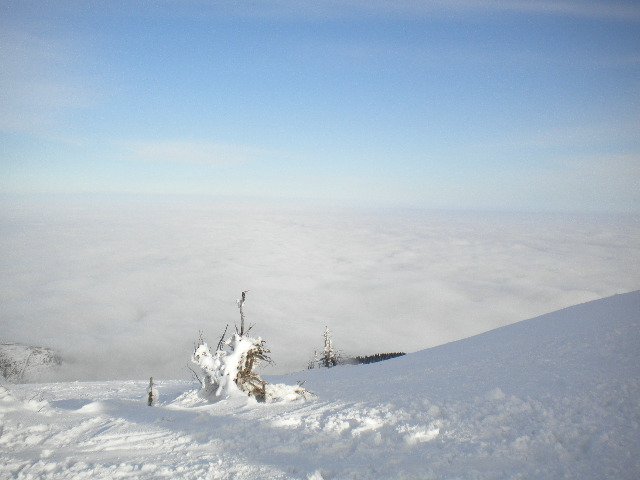
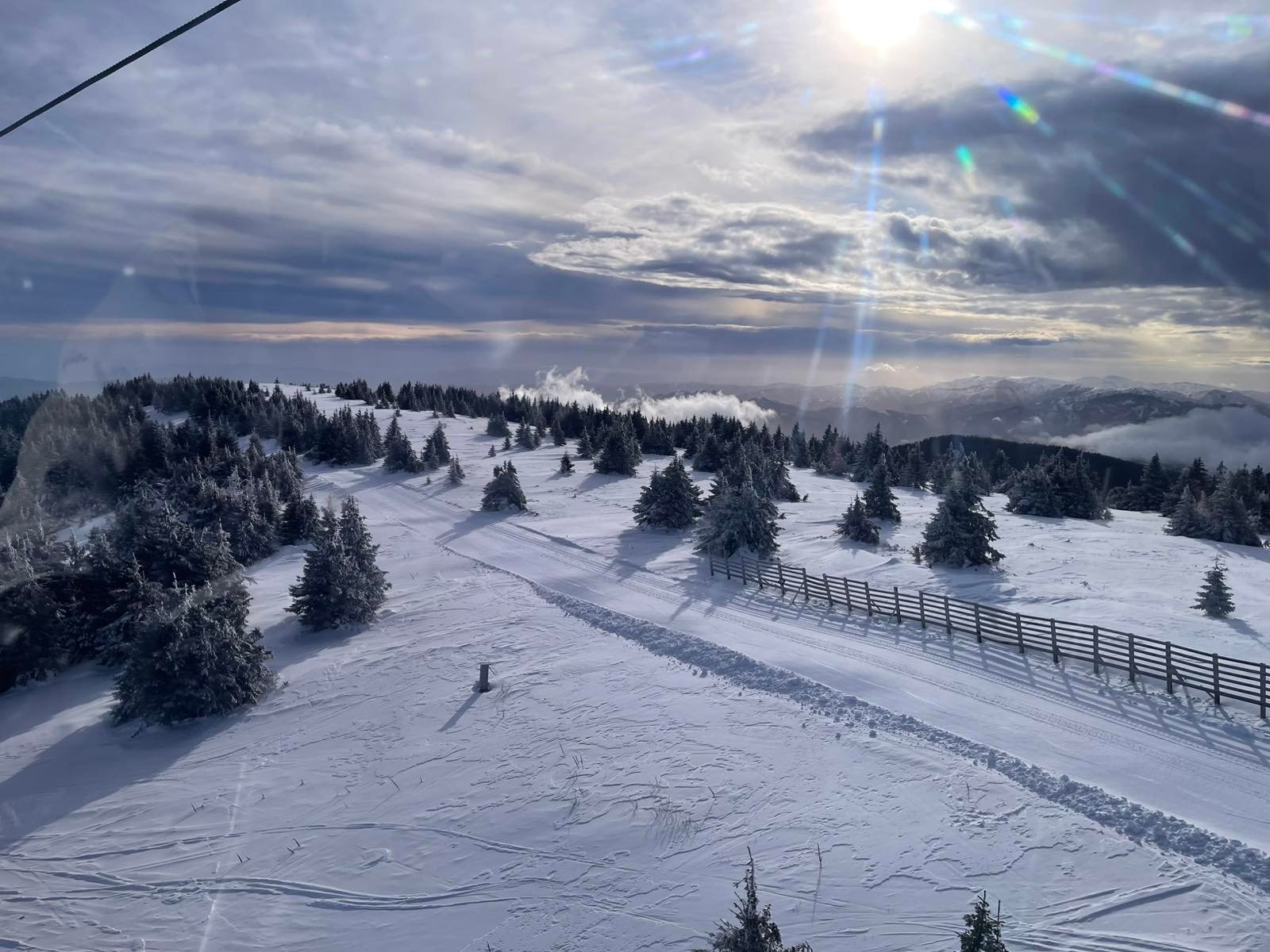
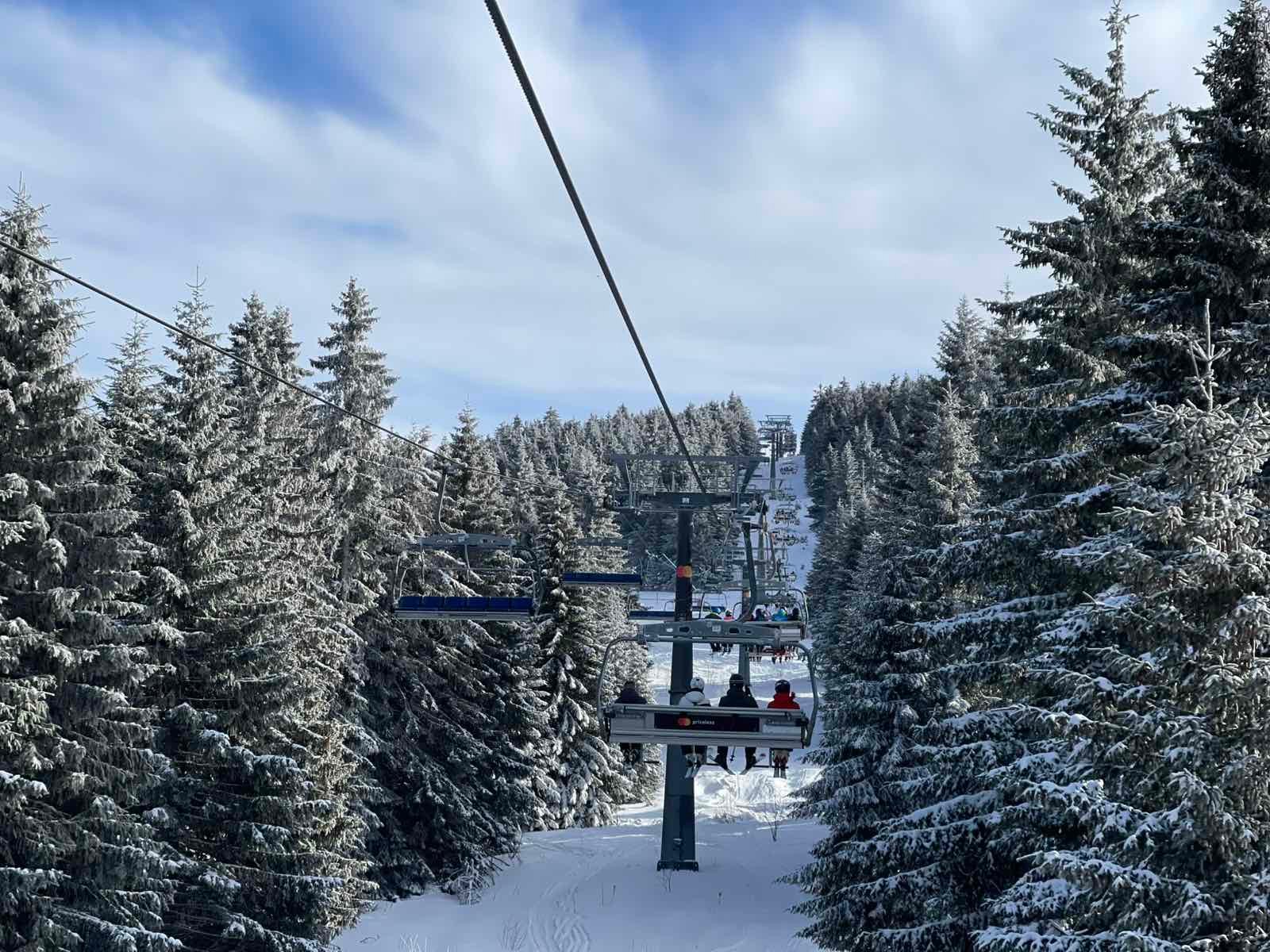
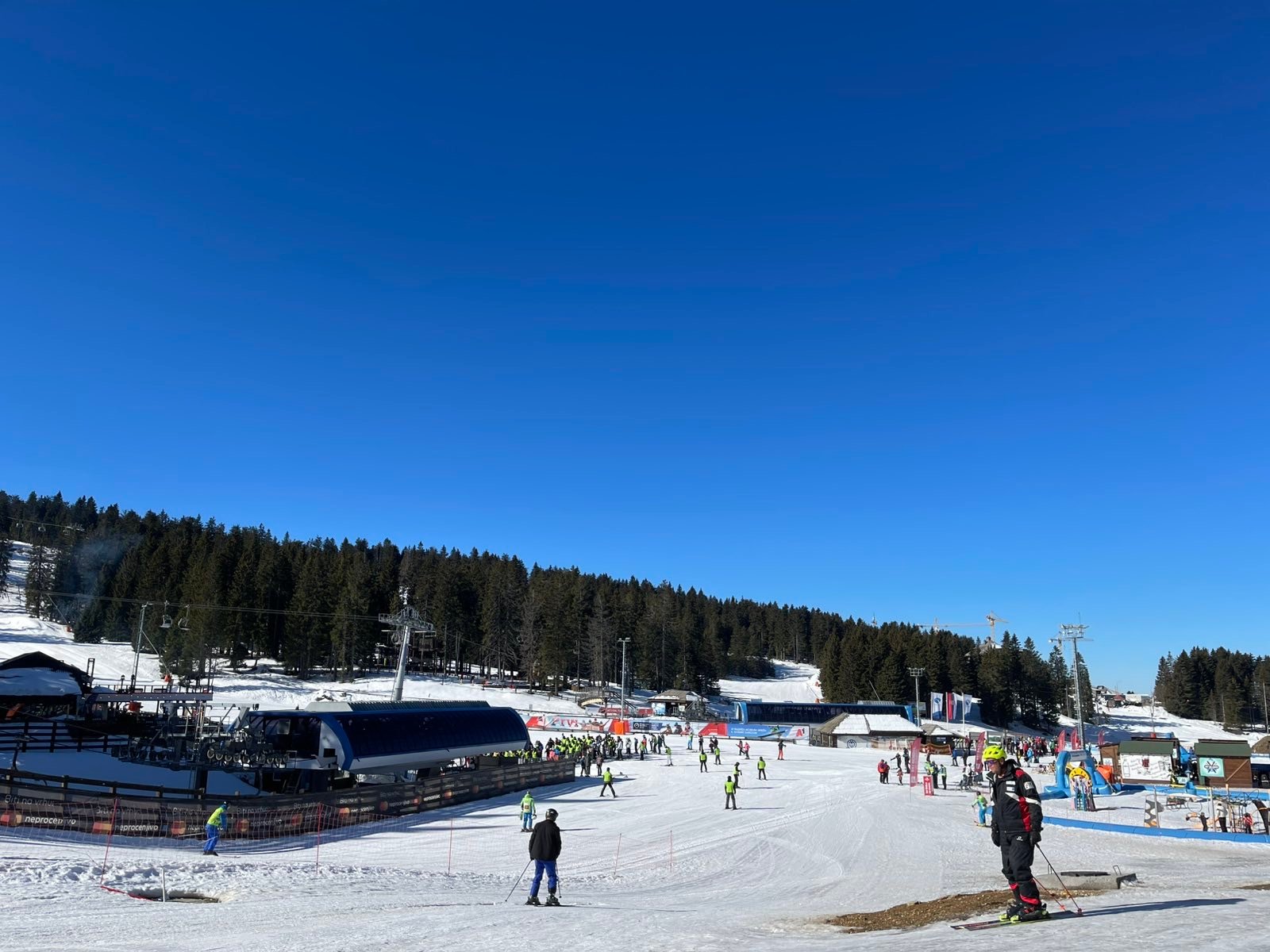
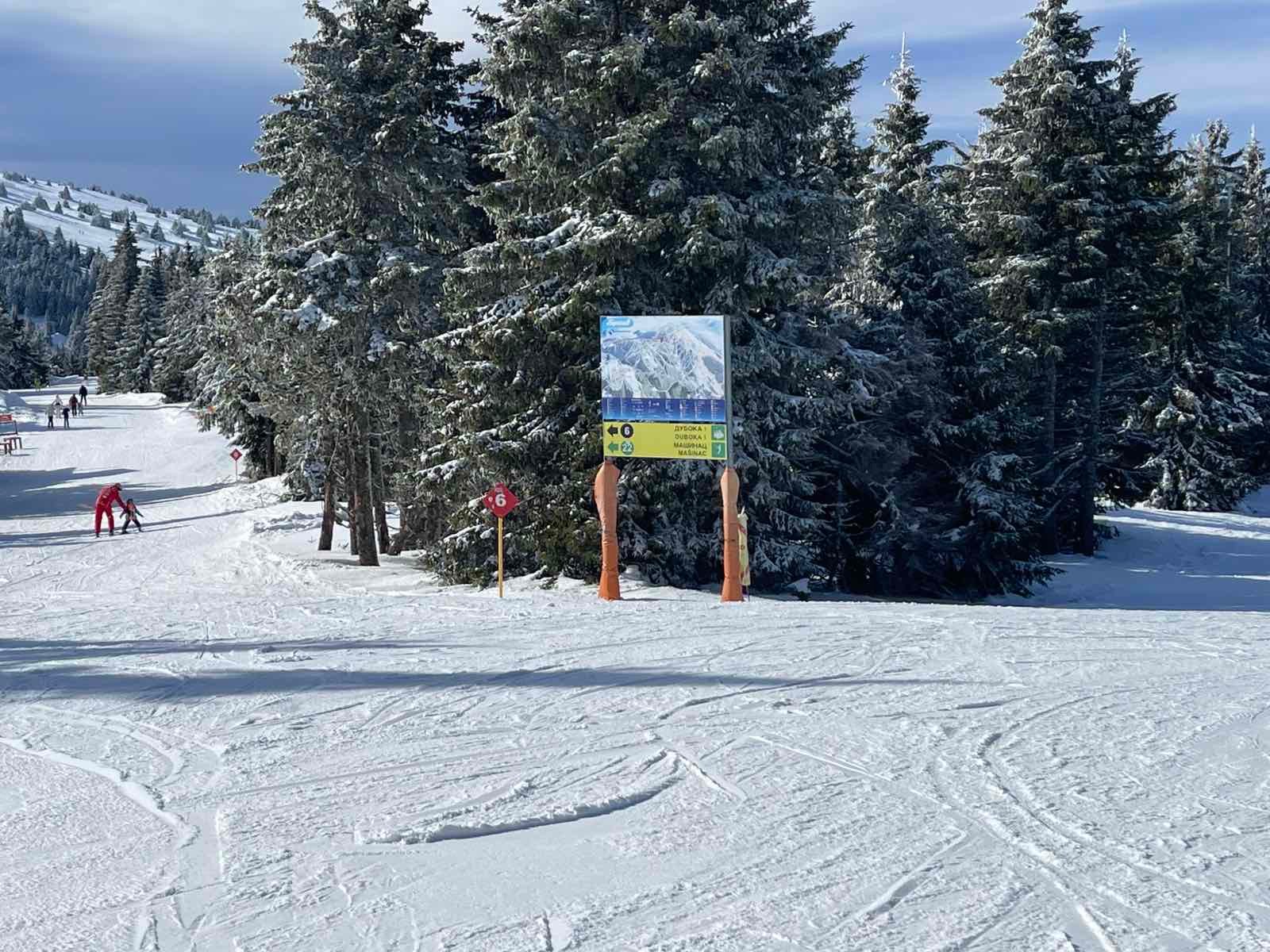
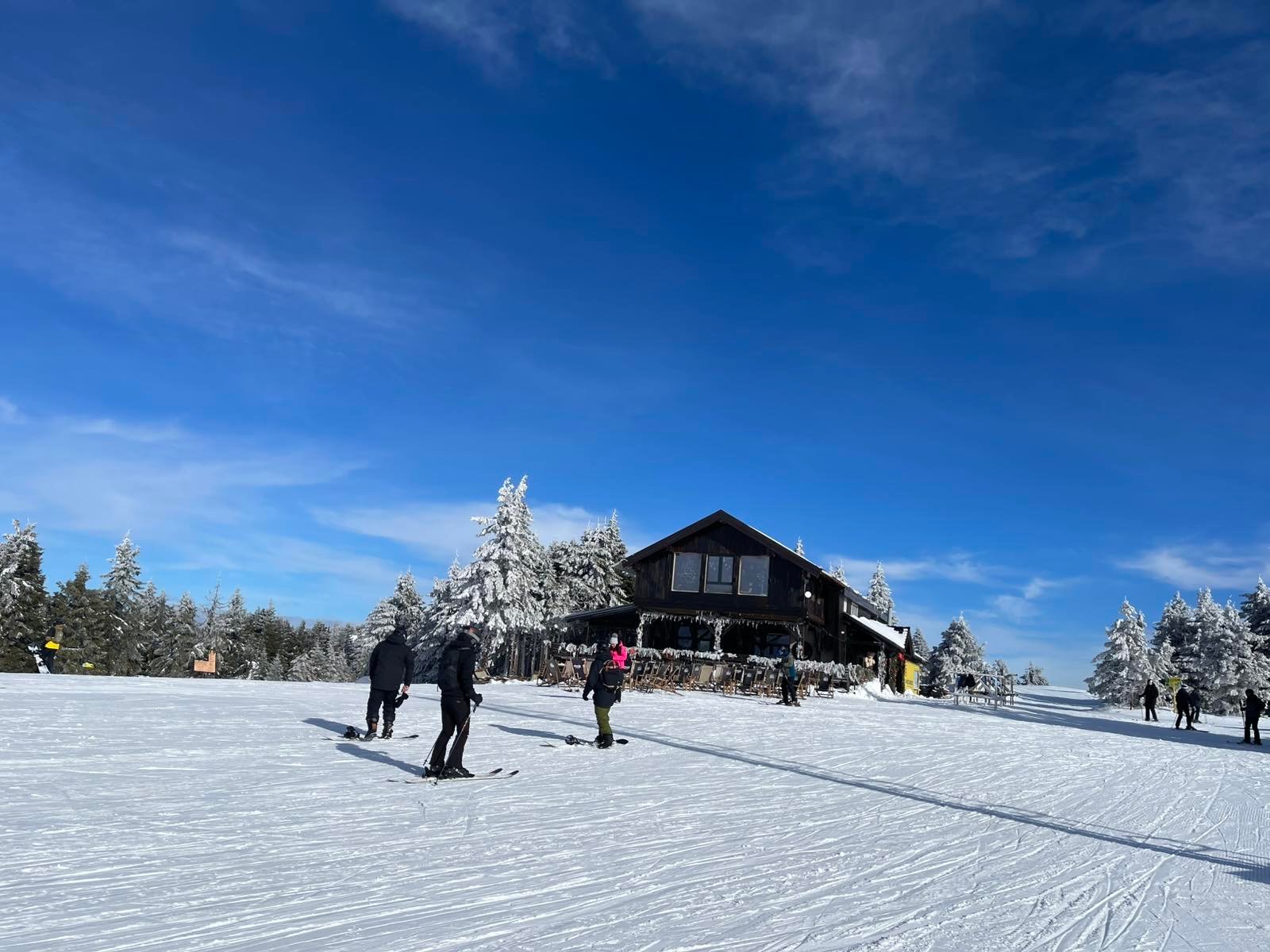
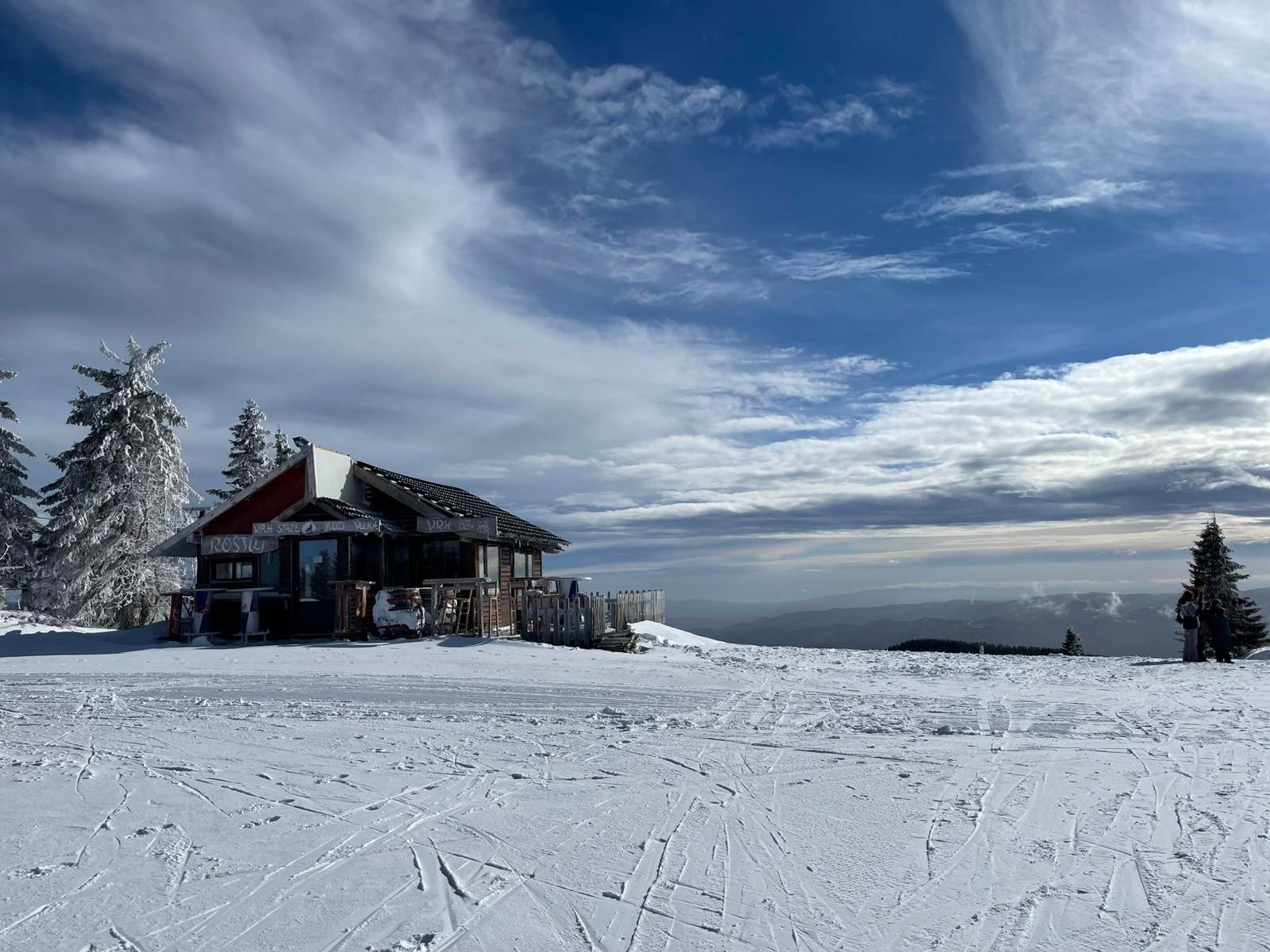
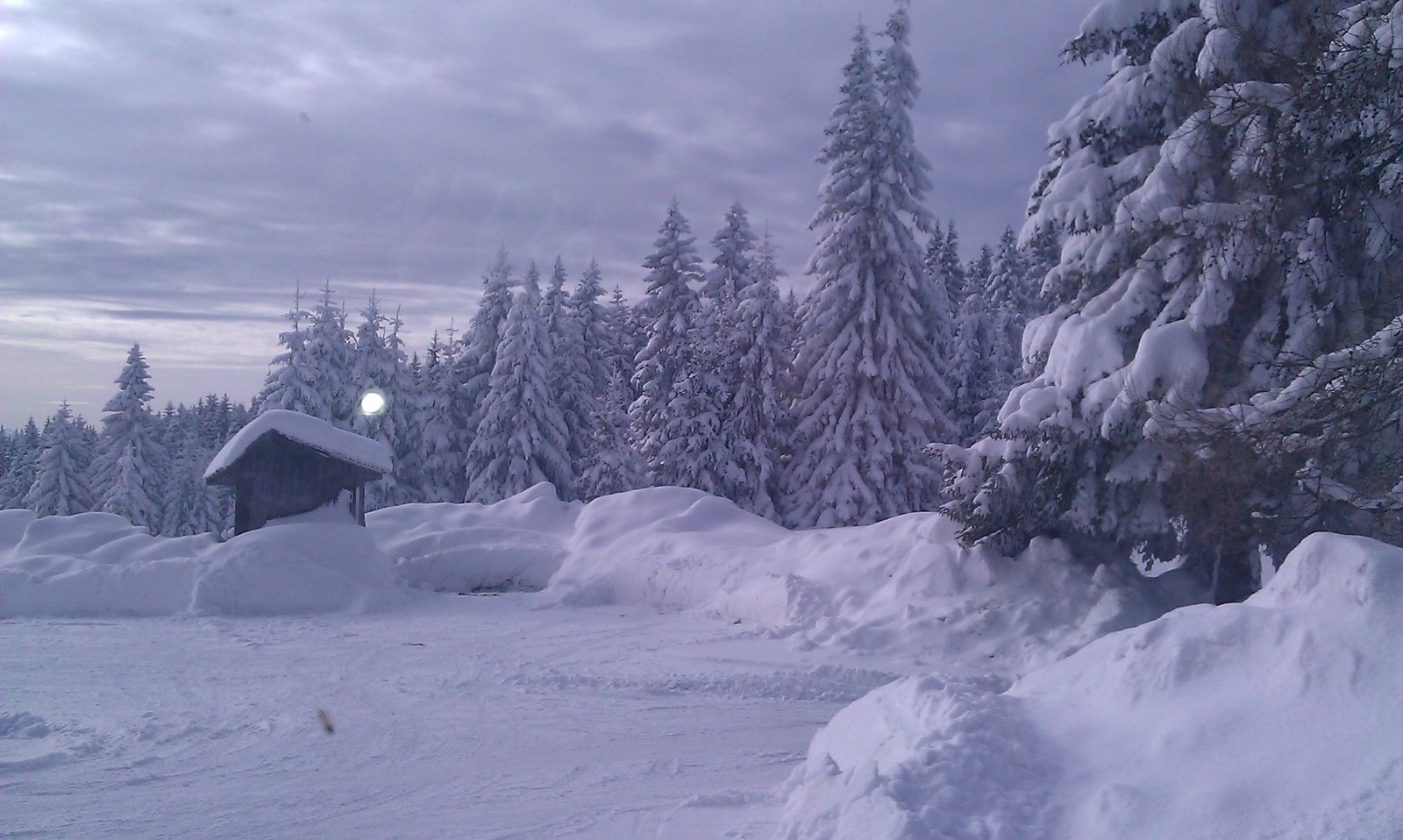
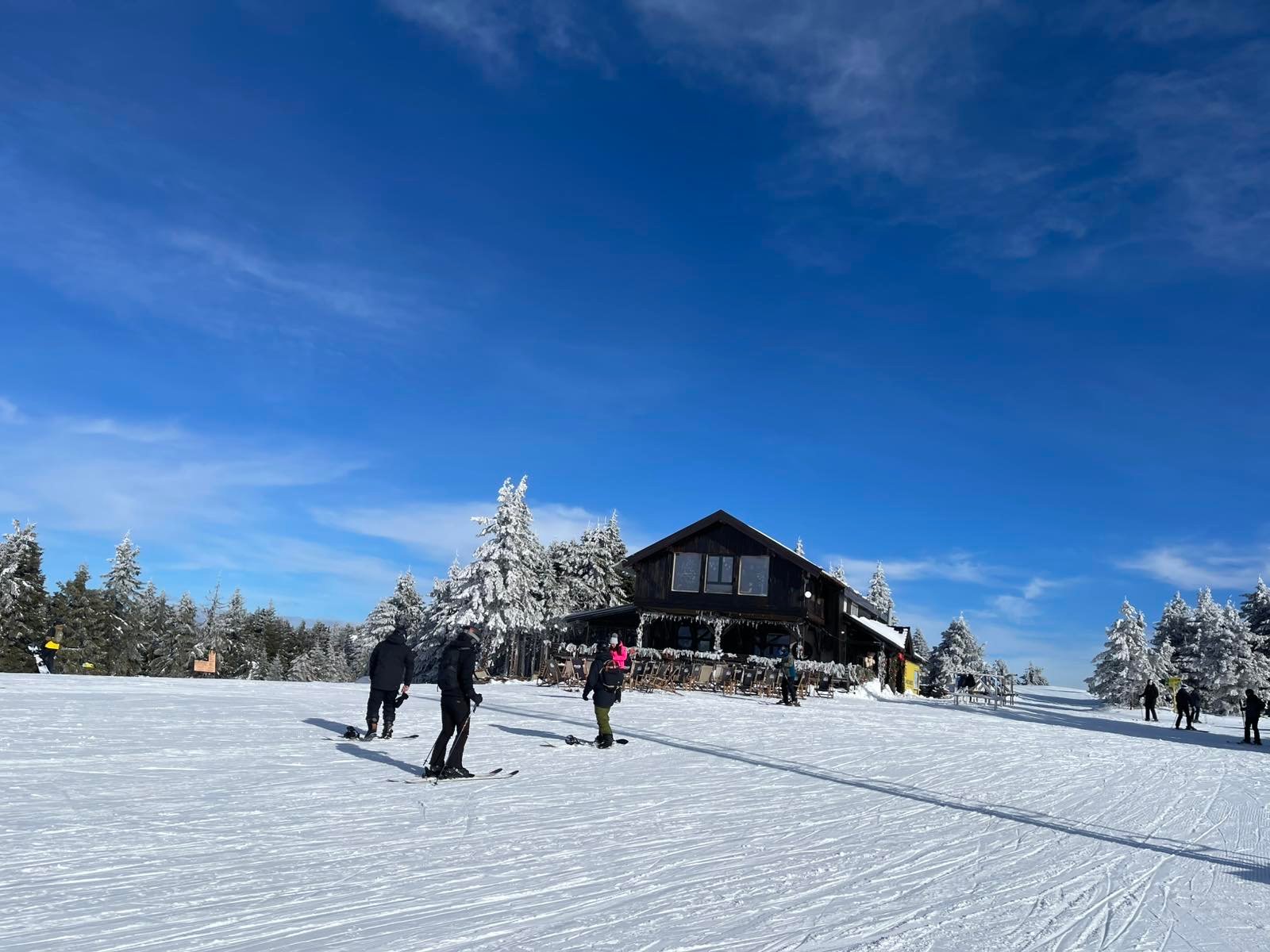
Winter on the Mountain of the Sun
Authentic scenes from Kopaonik — pistes, chairlifts, snow and mountain atmosphere.
Kopaonik Can Be Just the Beginning
For international visitors, Kopaonik does not have to be a standalone trip. A few days in the mountains can easily be combined with Belgrade, central Serbia, the medieval heritage of Raška or a journey towards Niš and southern Serbia.