
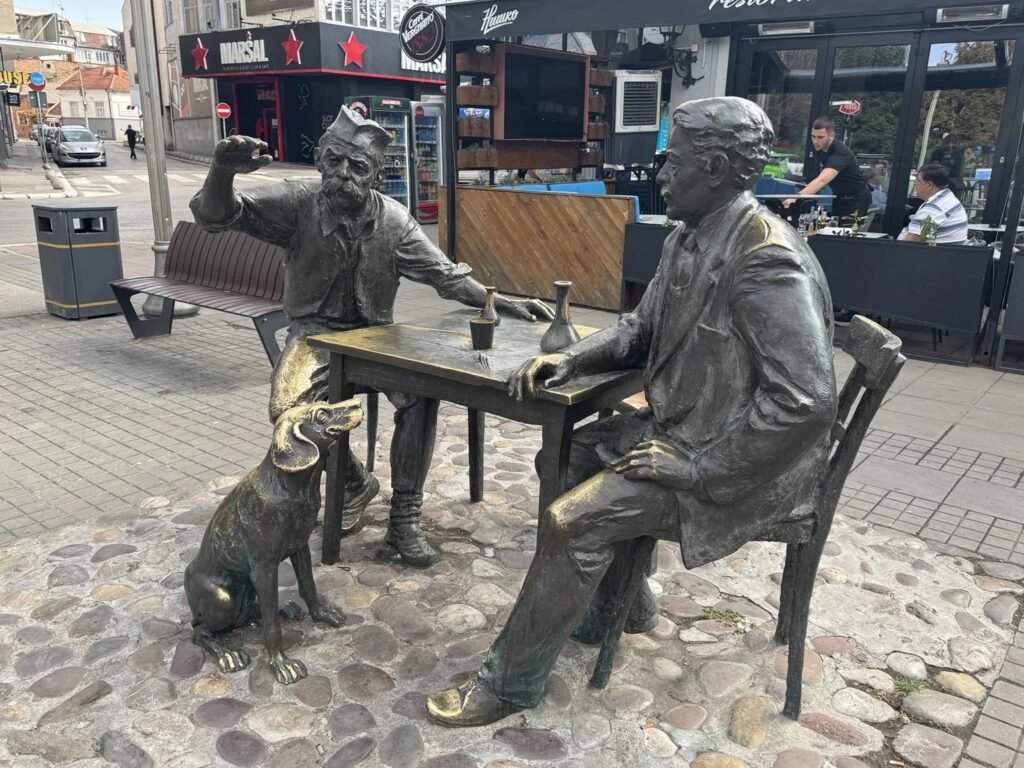
The city of Constantine the Great, a fortress on the Nišava River, layers of history and the unmistakable spirit of southern Serbia.
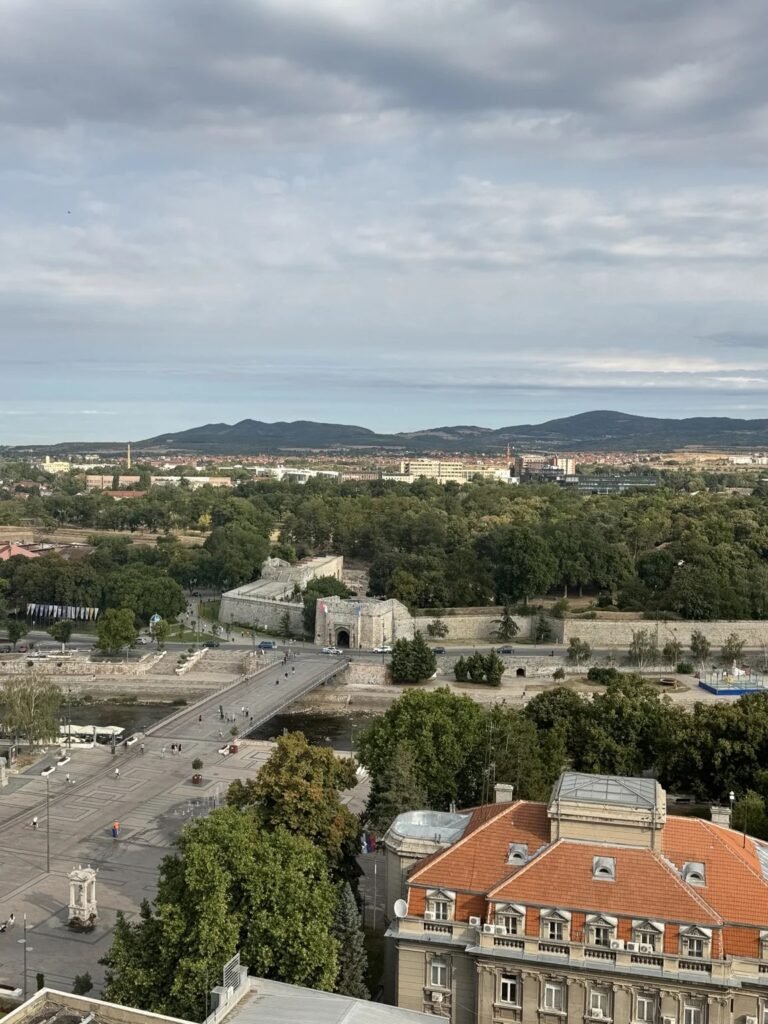
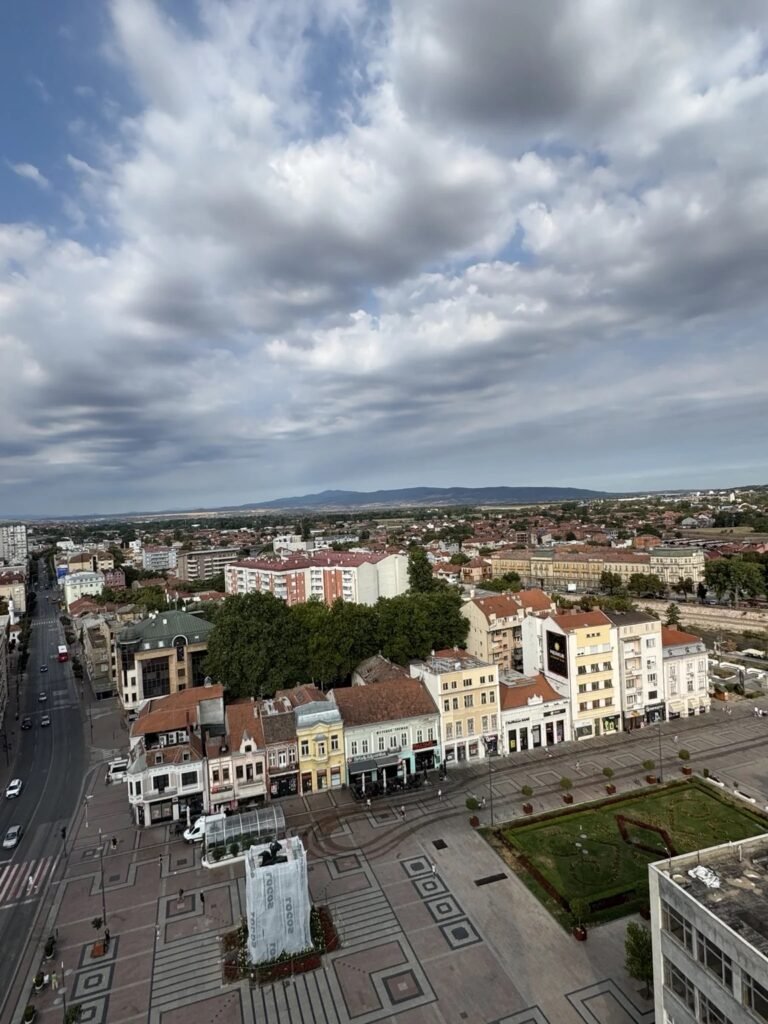
Seen from above, Niš reveals itself almost at once — the Nišava cuts through the city, the Fortress anchors one of its best-known views, and mountains close the horizon beyond the rooftops. Yet the most interesting part of Niš is not only what can be seen. Beneath the modern city lie more than two millennia of history.
From Naissus to Niš
Long before its modern name, this was Naissus, an important ancient city on the Roman routes across the Balkans. Its most famous historical figure is Constantine the Great, the Roman emperor born in Naissus. His reign left a profound mark on Roman, European and Christian history. Near the city centre, the archaeological site of Mediana offers another glimpse into the importance of ancient Naissus.
A city that remembers
For centuries, Niš stood at a crossroads of major routes, states and civilizations. Wars, destruction and liberation all left their traces. One of the most powerful places of remembrance is the Skull Tower (Ćele-kula), created after the Battle of Čegar in 1809.
Niš Fortress — centuries beside the Nišava
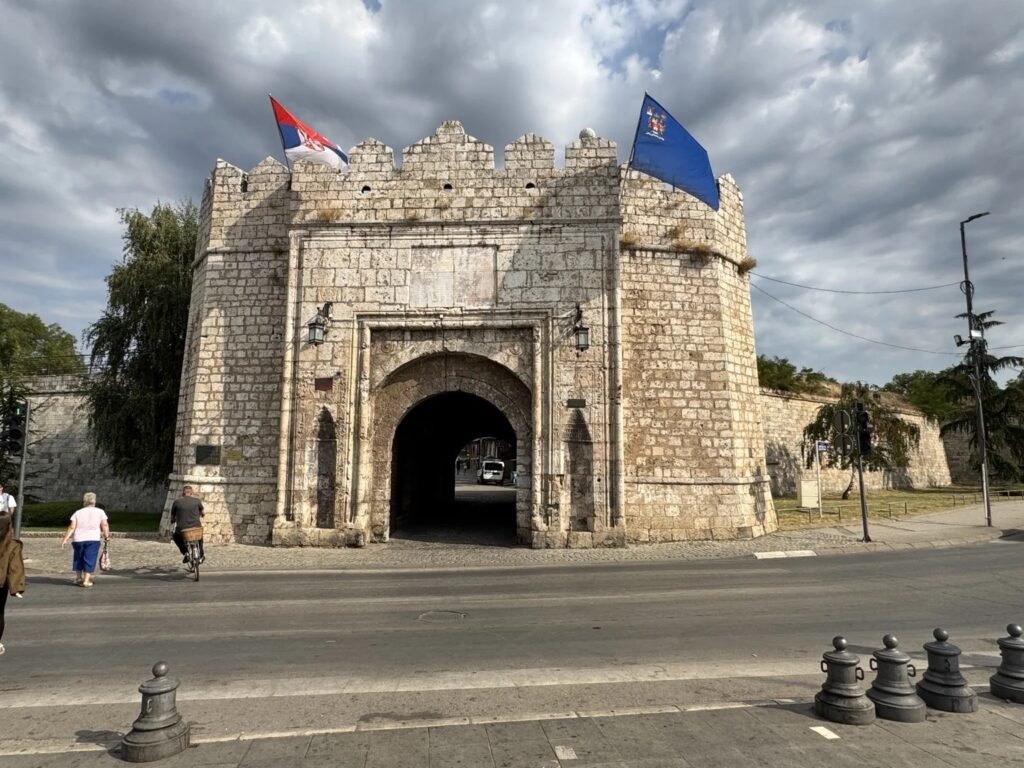
Cross the Nišava from the city centre and the monumental Stambol Gate of Niš Fortress rises in front of you. The fortress largely owes its present appearance to the Ottoman reconstruction of the 18th century, while the site preserves traces of much earlier periods.
The Fortress is not separated from everyday life. People walk through its gates, relax inside its walls and gather here for cultural events, including the well-known Nišville Jazz Festival. History in Niš is not simply displayed — it remains part of the living city.
The Nišava — a river through the heart of the city
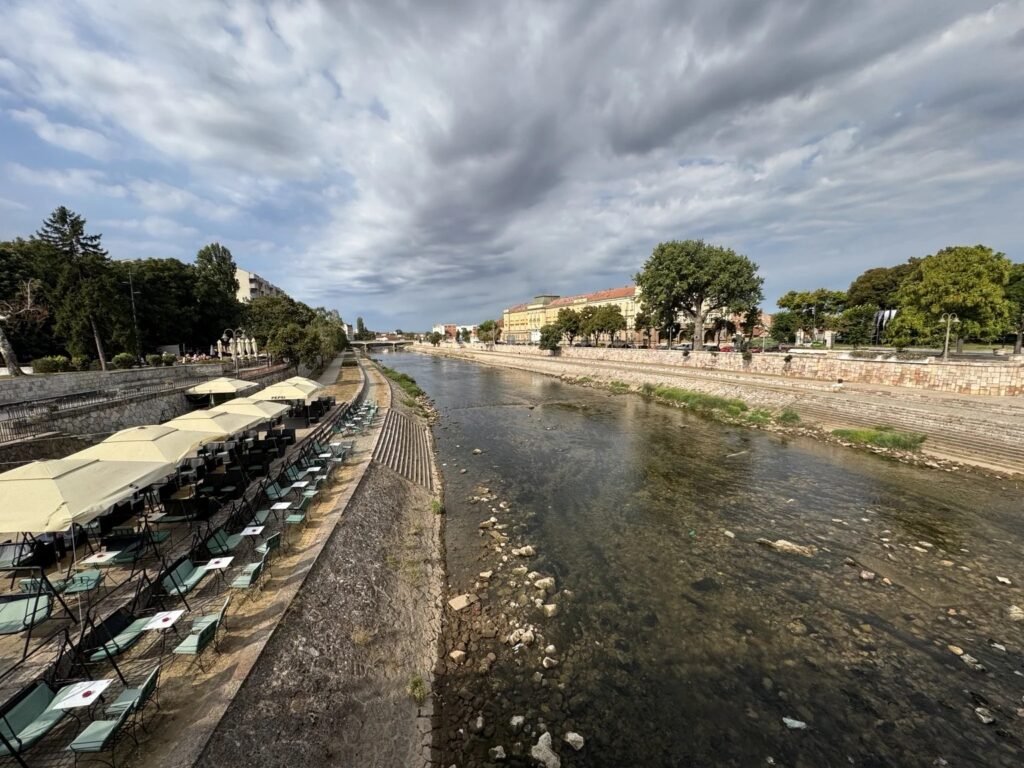
The Nišava flows between the Fortress and the centre and forms one of Nišs most recognizable urban scenes. Its riverside promenade, bridges and greenery reveal the everyday city — Niš living alongside its river.
Niš today
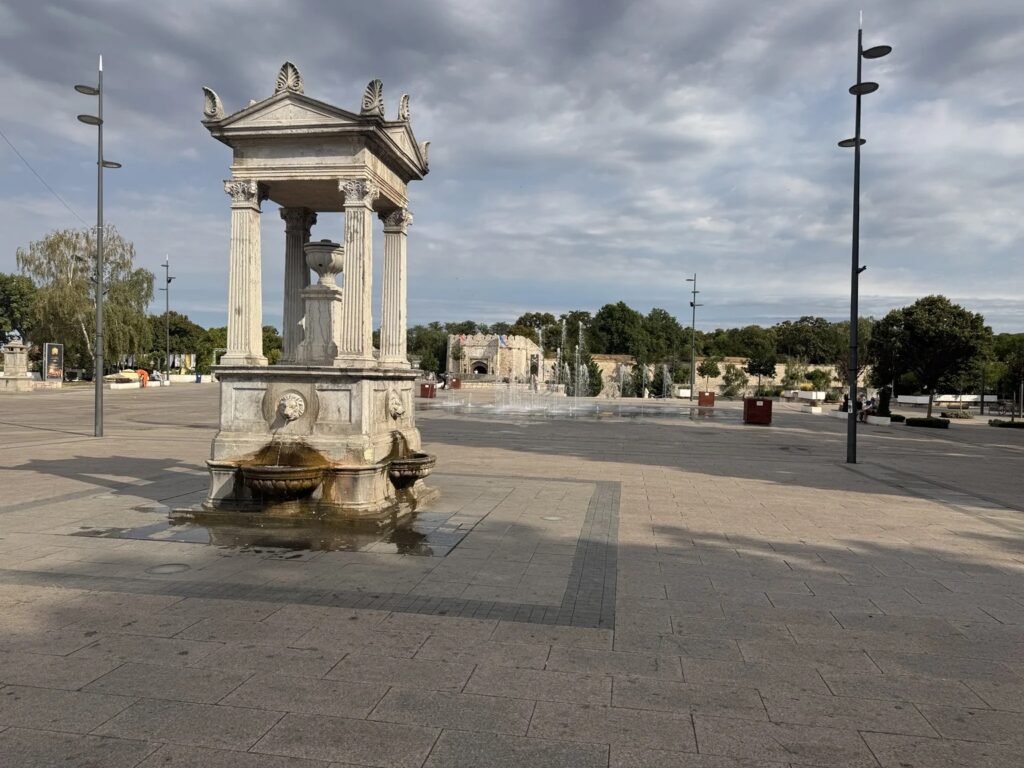
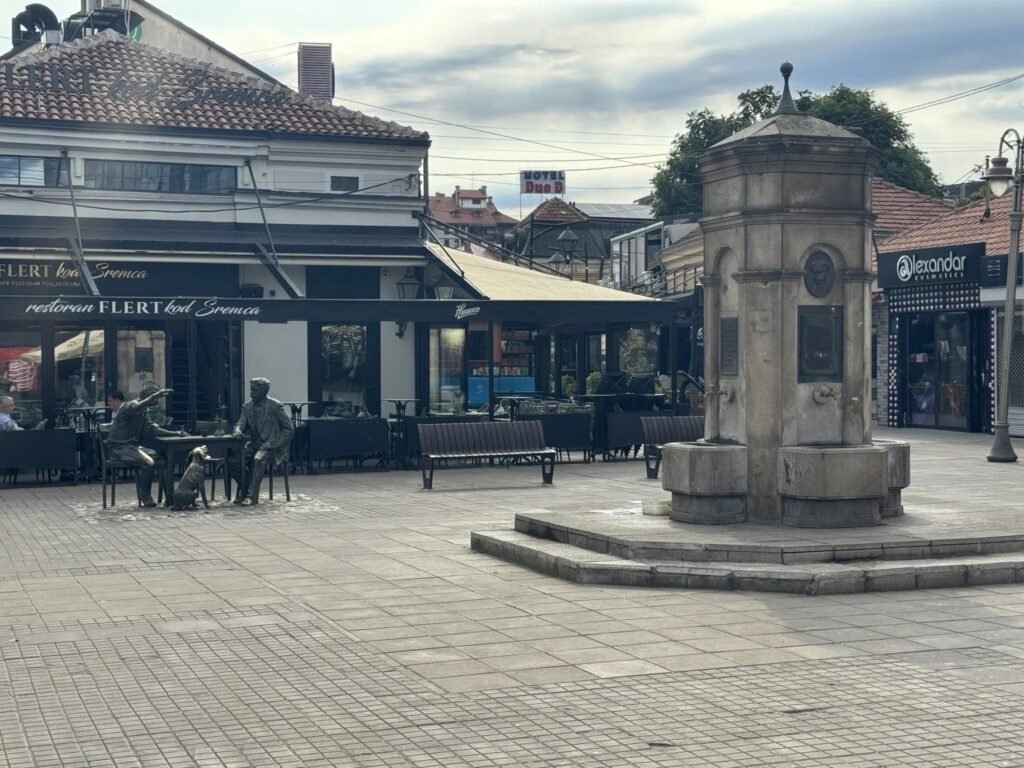
Cross the bridge and within minutes the story moves from history into contemporary city life. King Milan Square, pedestrian streets, cafés and Kazandžijsko Sokače reveal the slower rhythm of southern Serbia. Niš is best discovered without rushing: walk, sit down, try the local food and talk to the people.
A taste of southern Serbia
If you can discover the history of Niš on foot, you may understand its character best at the table. Grilled specialties, burek, traditional dishes and the culture of the kafana are not tourist scenery here. They are part of everyday life and local identity.
The Niš way of life — “Merak has no price”
There is a simple saying in Niš: “Merak cenu nema” — “Merak has no price.”
Merak means pure enjoyment — of good food, music, company, conversation, or simply a moment that feels good. It does not have to be grand or expensive. What matters is enjoying it.
Perhaps that is why “merak has no price” is the Niš recipe for a long life.
The story does not end in Niš
Niš has another major advantage: its location. Nearby are Niška Banja, the Sićevo and Jelašnica gorges and Suva Planina. Farther east rises Stara Planina, while the wider region opens routes toward Sokobanja, Prolom Banja, Kuršumlijska Banja, Ribarska Banja, Jastrebac and Kopaonik.
Niš — a starting point for discovering southern Serbia
Many international visitors begin their first Serbian journey in Belgrade. And they should. But Serbia does not end in Belgrade. Travel south and the landscape, pace and flavours begin to change. Mountains, gorges, thermal springs and old cities reveal another side of the country.
Here you can discover a Serbia of Roman emperors and old fortresses, mountain peaks and thermal waters, grilled food, long conversations and hospitality that existed long before tourism.
And standing at its gateway is Niš.
Welcome to southern Serbia.